

Collaboration in China
Karolinska Institutet has had educational and research collaboration with universities and institutions in China since the 70's in areas such as molecular biology, epidemiology, clinical research and health care management.
KI has agreements at different levels with different institutions in China. The majority of research collaborations are research interest-driven individual collaborations which takes place directly between researchers and are not centrally regulated. The collaborations are undertaken with cooperators mainly from leading Chinese universities in the east costal region of China, with more activities concentrated to Shanghai, Shandong, Guangzhou and Beijing.
There are a few exceptions, where collaborative agreements, projects and activities are initiated and supported centrally.
Collaborative agreements
KI has signed Memoranda of Understanding (MOU) with the following universities:
- CAMS PUMC (Chinese Academy of Medical Sciences Peking Union Medical College)
- Shandong University
- Shanghai Jiao Tong University School of Medicine
- Fudan University Shanghai Medical College
- Peking University and PKU Health Science Center
- Chinese University of Hong Kong
All KI-China collaboration must be mutually beneficial and in close adhesion to ethical principles, academic freedom, as well as Swedish and Chinese laws and regulations. See further International collaboration guidelines and references for collaborations with China.
Center for Neuromusculoskeletal Restorative Medicine
The Center for Neuromusculoskeletal Restorative Medicine is a research collaboration between Karolinska Institutet (KI) and the Chinese University of Hong Kong (CUHK). The centre represents a continuation of the collaboration initiated via Ming Wai Lau Centre for Reparative Medicine (MWLC).
Bachelor's and master's education
China is a target country for recruiting talented students to KI. A number of activities are undertaken yearly to present available educational programmes, mainly at the master degree level and via KI global master degree programmes.
The following study programmes have bilateral exchange agreements with Chinese universities
- Medicine: Shanghai Jiao Tong University
- Dental medicine: Shanghai Jiao Tong University
- Nursing sciences: Shandong University
For current agreements on student exchange and more information, search the map where all agreements can be found.
Doctoral education
China is the leading original country of KI’s foreign doctoral students. Over the last four decades, KI has educated approximately 500 PhDs originally from China. KI has a decentralized system for doctoral student recruitment, in which a doctoral supervisor and his/her department decide when to recruit a doctoral student. Usually, Chinese students approach KI doctoral supervisors according to their research interests, and apply for an open doctoral position announced at the KI website. To be eligible for doctoral education, one must meet both the general och specific entry requirements for doctoral education.
Peking University Health Science Center, together with KI, Keio University in Japan and King’s College in UK offers an annual summer course for doctoral students, where the four universities take turns to host the course. KI doctoral students interested in attending the course must apply through the KI course catalogue for doctoral courses.
Post doc training
The majority of the international researchers doing a post doc at KI stay without a formal agreement between the institutions. The activities take place between researchers are not centrally regulated.
All postdoctoral positions are located at KI's departments and most are also initiated from the departments.
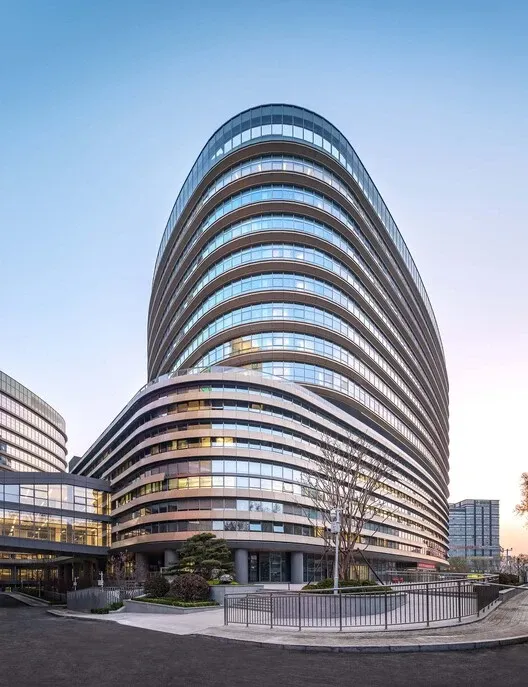 Photo: .
Postdoc exchange program at Shandong University
Shandong University, China, offer PhDs and postdocs at KI the possibility to participate in an exchange program.
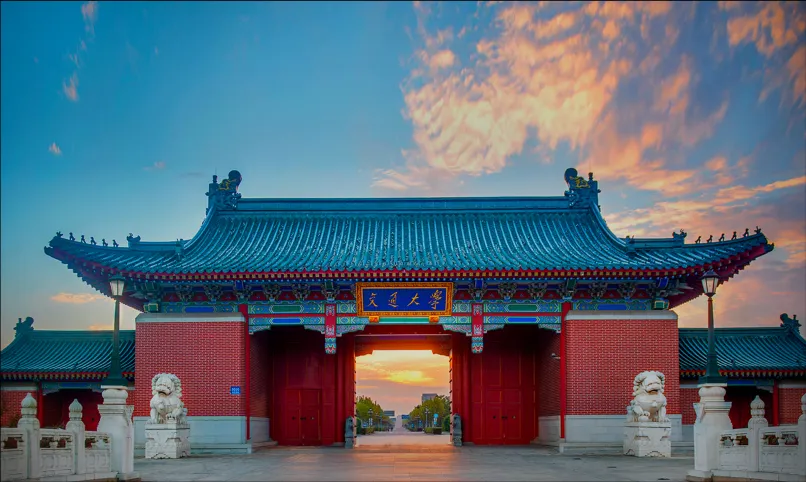 Photo: .
Postdoc opportunities at Shanghai Jiao Tong University School of Medicine
Shanghai Jiao Tong University School of Medicine offers PhD graduates at KI the possibility to conduct postdoctoral research at SJTUSM.