

Welcome to Advances in Artificial Intelligence – AI@KI in December
2 December 13:00-19:00
Thanks to a generous donation from the Lundblad and Thelin families, Karolinska Institutet has launched the Advances in Artificial Intelligence initiative. Join us for an afternoon on AI at KI with researchers in medical AI and keynote Ziad Obermeyer. We will also present this year’s AI@KI award.
Please note: This is an in-person event only. The event is fully booked.
 Photo: N/A
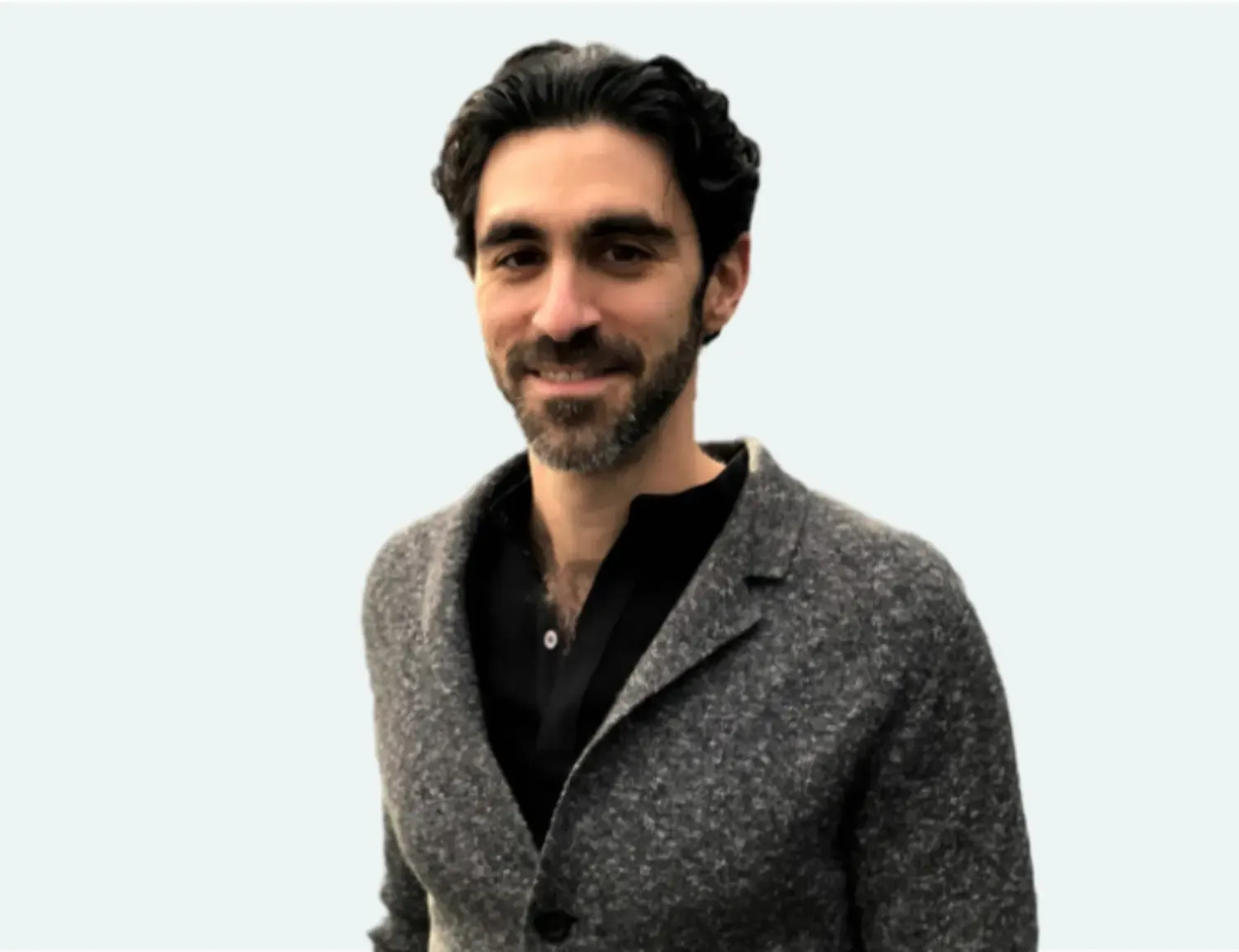 Photo: N/A
Ziad Obermeyer
Bedside to bench: Reinventing medicine with AI
AI is a powerful new tool for making sense of high-dimensional signals humans struggle to process, such as images and waveforms. In medicine, AI is already starting to produce empirical discoveries driving theoretical insights. Rebooting this flow of ideas from ‘bedside to bench’ — historically a key driver of progress that has dried up in recent years — will give rise to major innovations in patient care, and create a new science of medicine powered by data and computation.
Ziad Obermeyer is Associate Professor and Blue Cross of California Distinguished Professor at the Berkeley School of Public Health
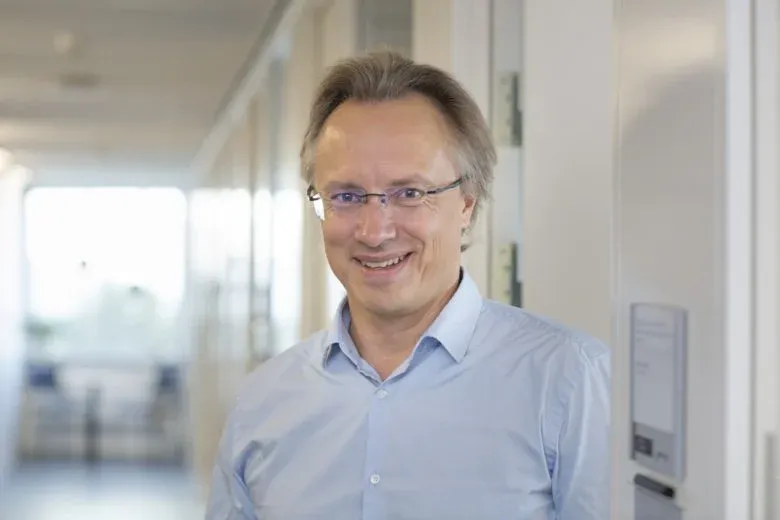 Photo: Joar von Bahr, partly generated with ChatGPT-4o
Johan Lundin
Implementing AI-based cancer and infectious disease screening in resource-limited settings
Johan Lundin's research is focused on digital diagnostics and medical artificial intelligence to support patient care. Specific research areas include image-based diagnostics of cancer, infectious diseases and burn injuries, with special emphasis on point-of-care solutions for resource-limited settings.
Johan Lundin is Professor of Medical Technology at the Department of Global Public Health at Karolinska Institutet, and Research Director at the Institute for Molecular Medicine Finland (FIMM), University of Helsinki, Finland.
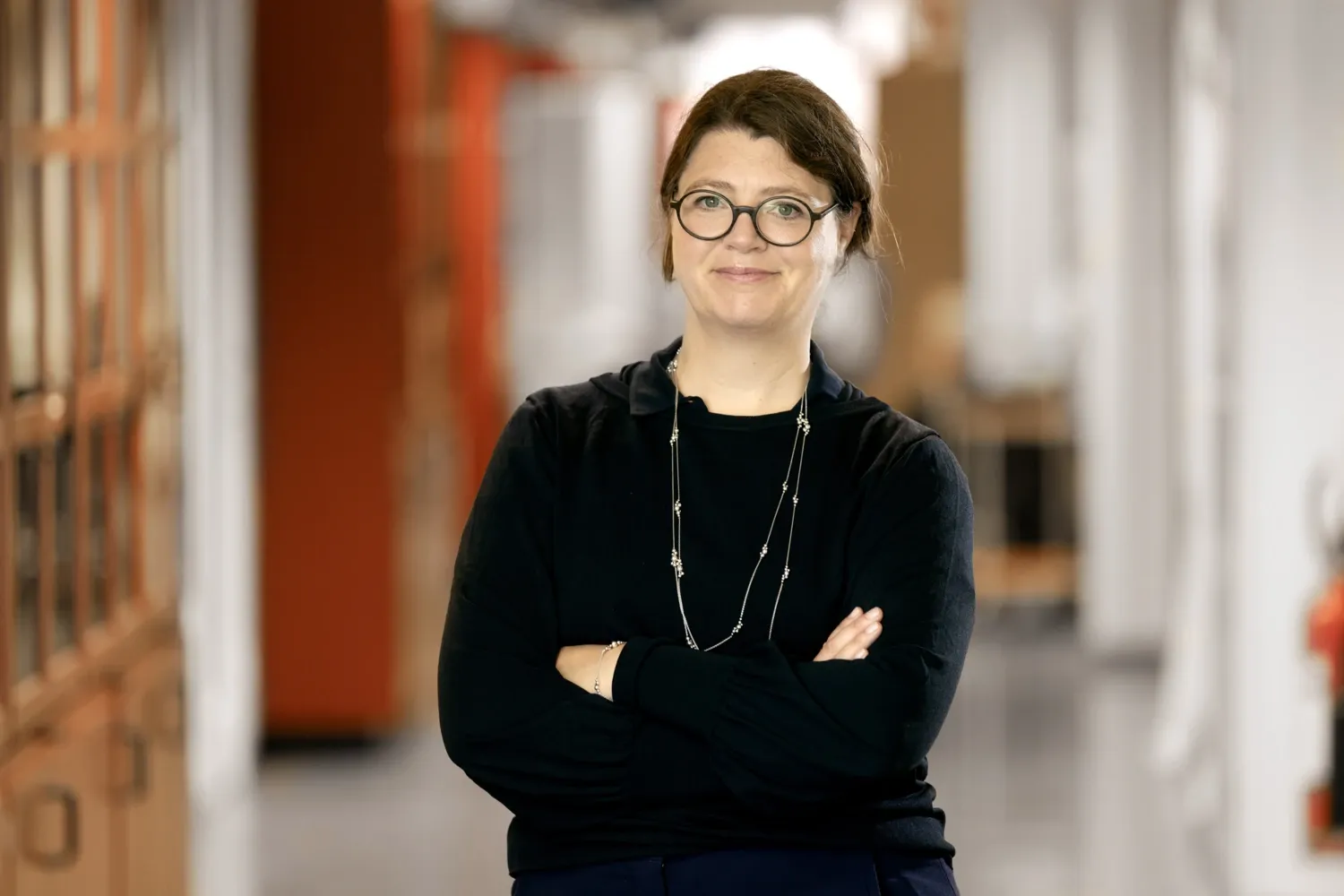 Photo: Rickard Kilström
Liv Eidsmo
Multimodal Data Integration to Identify Mechanisms of Chronicity and Resolution in Psoriasis
The human skin forms a barrier to the external environment that is constantly exposed to colonizing microbiota, invasive pathogens, and allergens. The skin barrier is maintained by immune cells, but these cells are also implicated in common inflammatory diseases. In healthy skin, we have defined functionally distinct subsets of tissue resient memory T (Trm) cells based on their expression of the integrin CD49a, and we have characterised pathogenic Trm cells in vitiligo and psoriasis.
Current studies in my laboratory aims to understand how human Trm cells are formed and how these cells impact on their immediate environment. Ultimately, we want to normalise the Trm cell compartment in diseased skin.
Liv Eidsmo is Professor of Dermatology and Venereolog, group leader at the Department of Medicine at Karolinska Institutet, and practicing clinician at Karolinska University Hospital.
 Photo: N/A
Helga Westerlind
Pitfalls and promises on AI in Rheumatology
Helga Westerlind's research focuses on finding risk factors for rheumatoid arthritis (RA) and progression of the disease using data mining of different data sources such as questionnaire data, genetic data, quality registers and nation wide population registers. She uses "traditional" epidemiological methods, as well as machine learning and more computationally intense methods.
Senior Research Specialist and Docent in Epidemiology at Karolinska Institutet, and MSc in Computer Science and Engineering from Royal Institute of Technology (KTH)
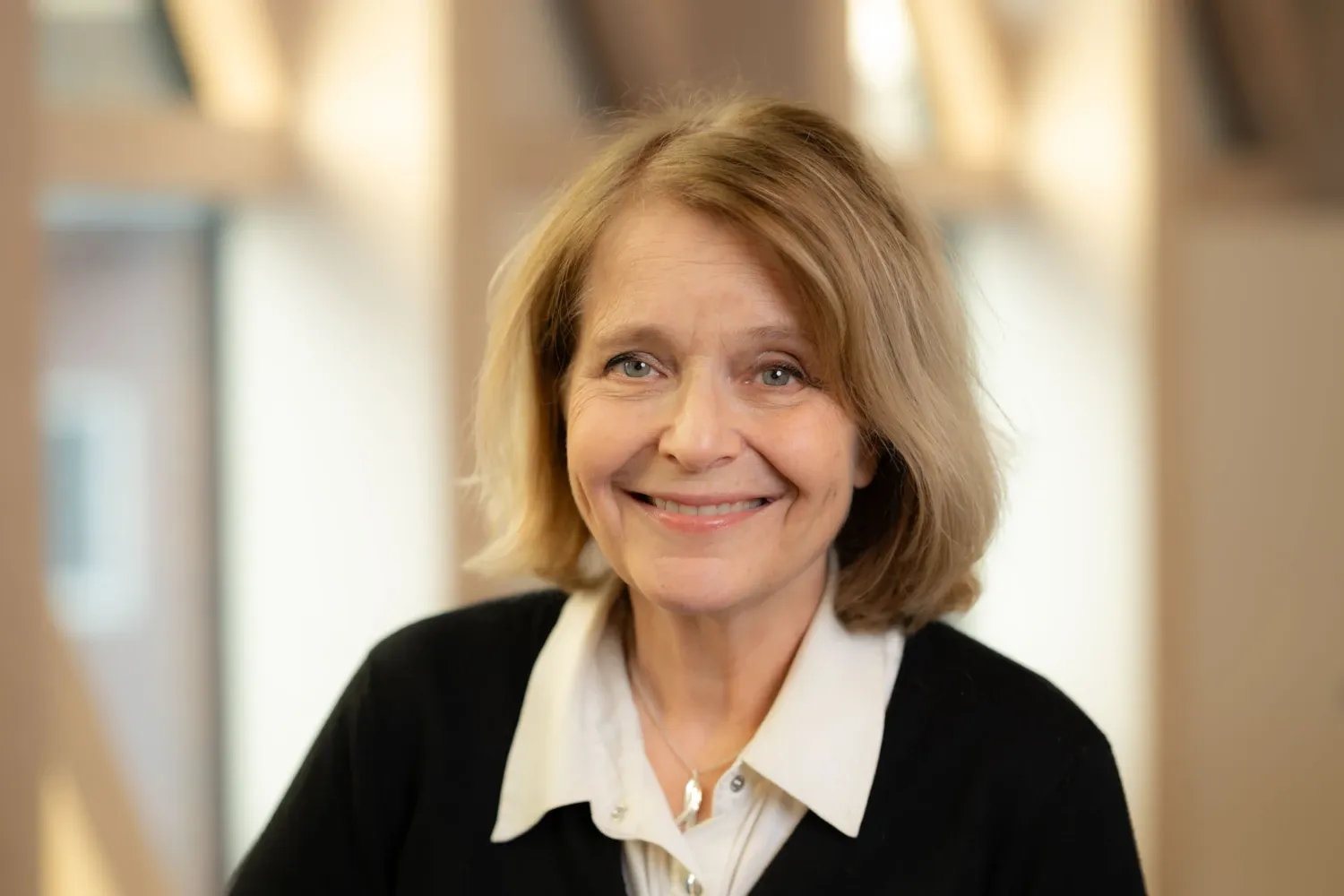 Photo: Ulf Sirborn
Clara Hellner
AI as a strategic research area at Karolinska Institutet
New initiatives and new collaborations are constantly arising in the life science field, both within and outside KI’s walls, making it hard to form a comprehensive picture of everything that’s happening. As presidential advisor, Clara Hellner will be providing insight into what’s going on and the challenges facing it.
Clara Hellner is Presidental Advisor in Life Science at Karolinska Institutet
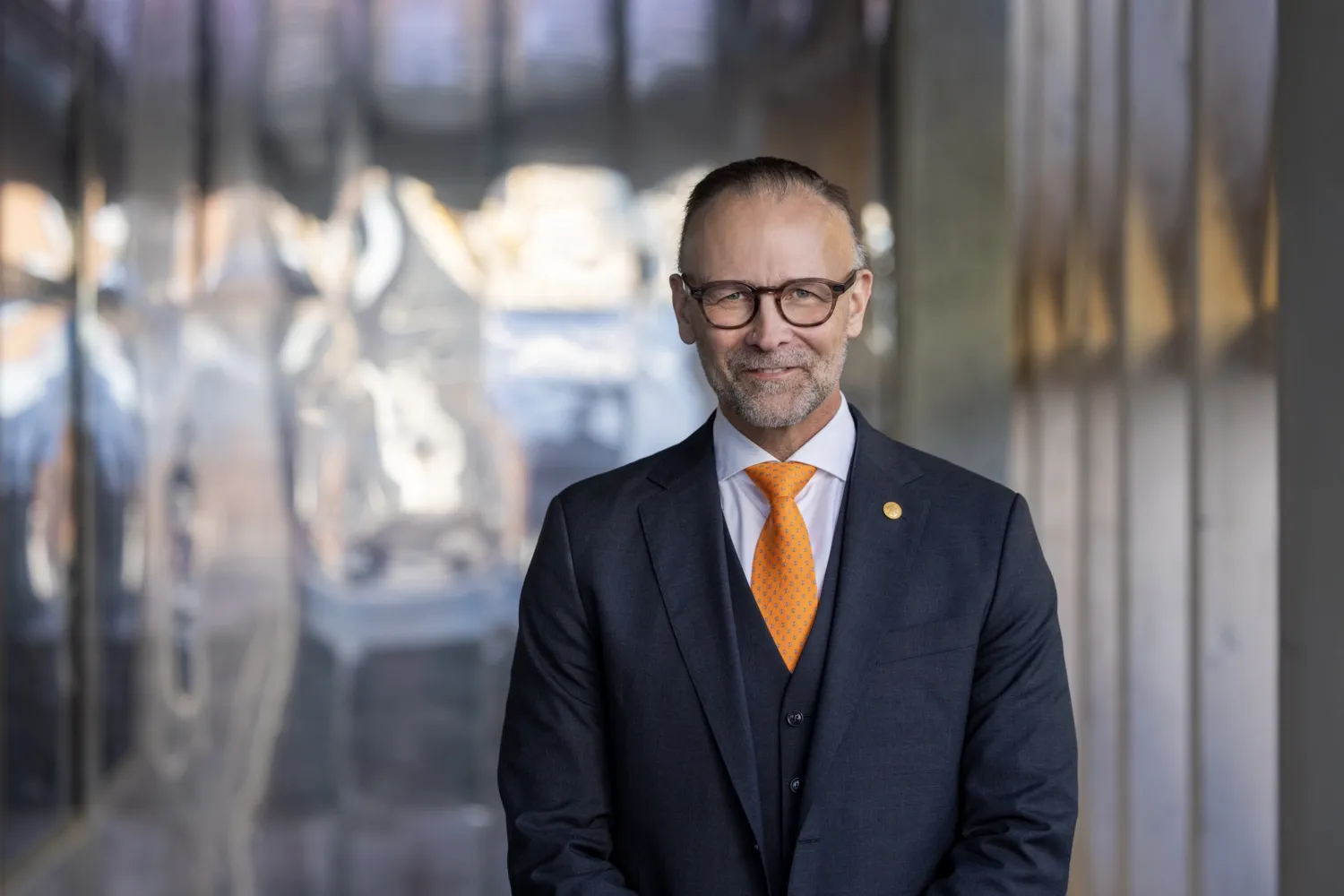 Photo: Liza Simonsson
Martin Bergö
Martin Bergö will reveal the winner of this.year's AI@KI award – a KI researcher that has contributed significant achievements within AI in medical research during the year.
Vice President of Karolinska Institutet
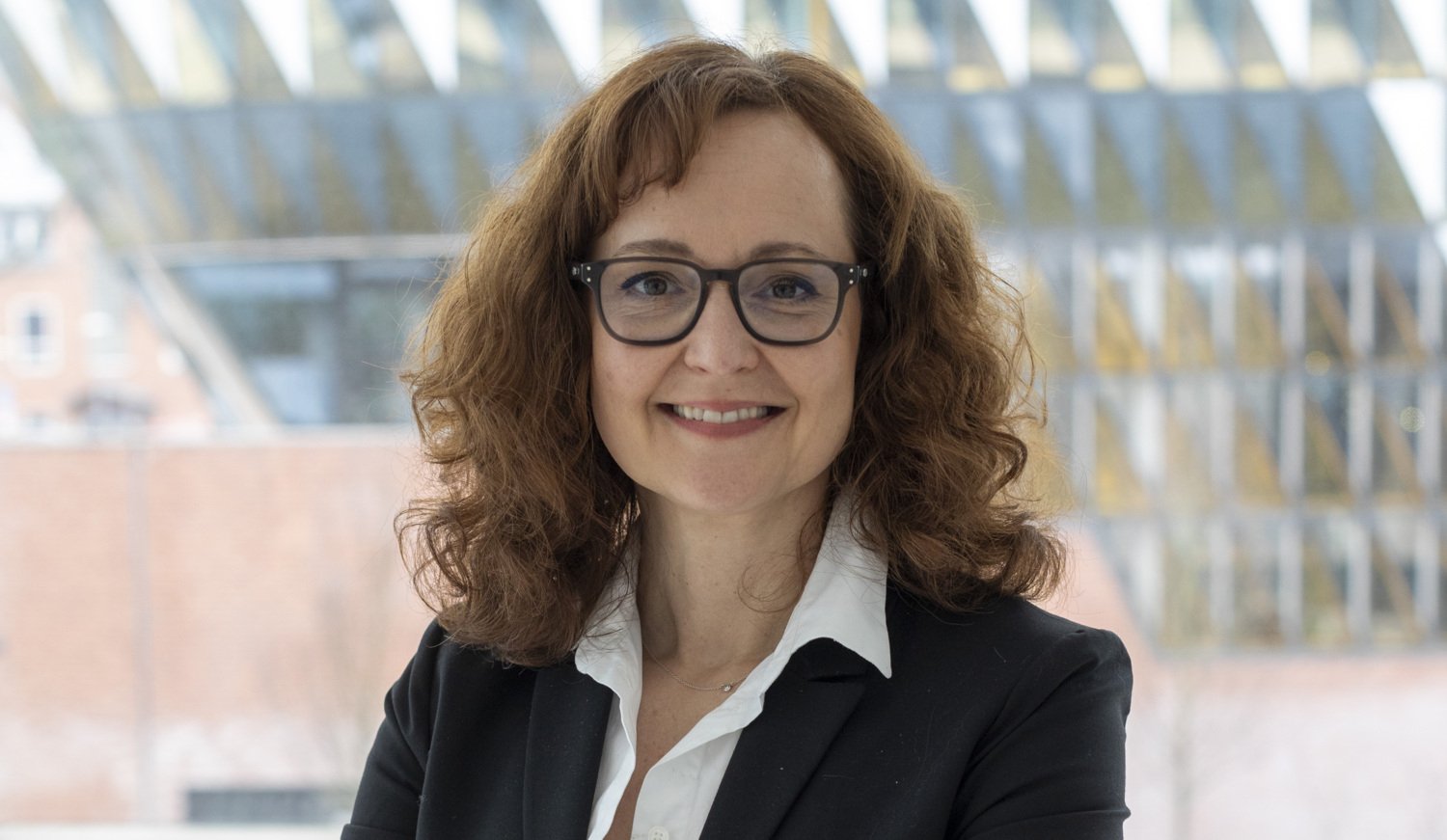 Photo: N/A
Johanna Furuhjelm
Why a Centre for AI Innovation at Karolinska Institutet?
Director of the Centre for AI Innovation at Karolinska Institutet and Swedish Node Coordinator of TEF-Health, a European consortium supporting AI innovation from prototyp the healthcare marke
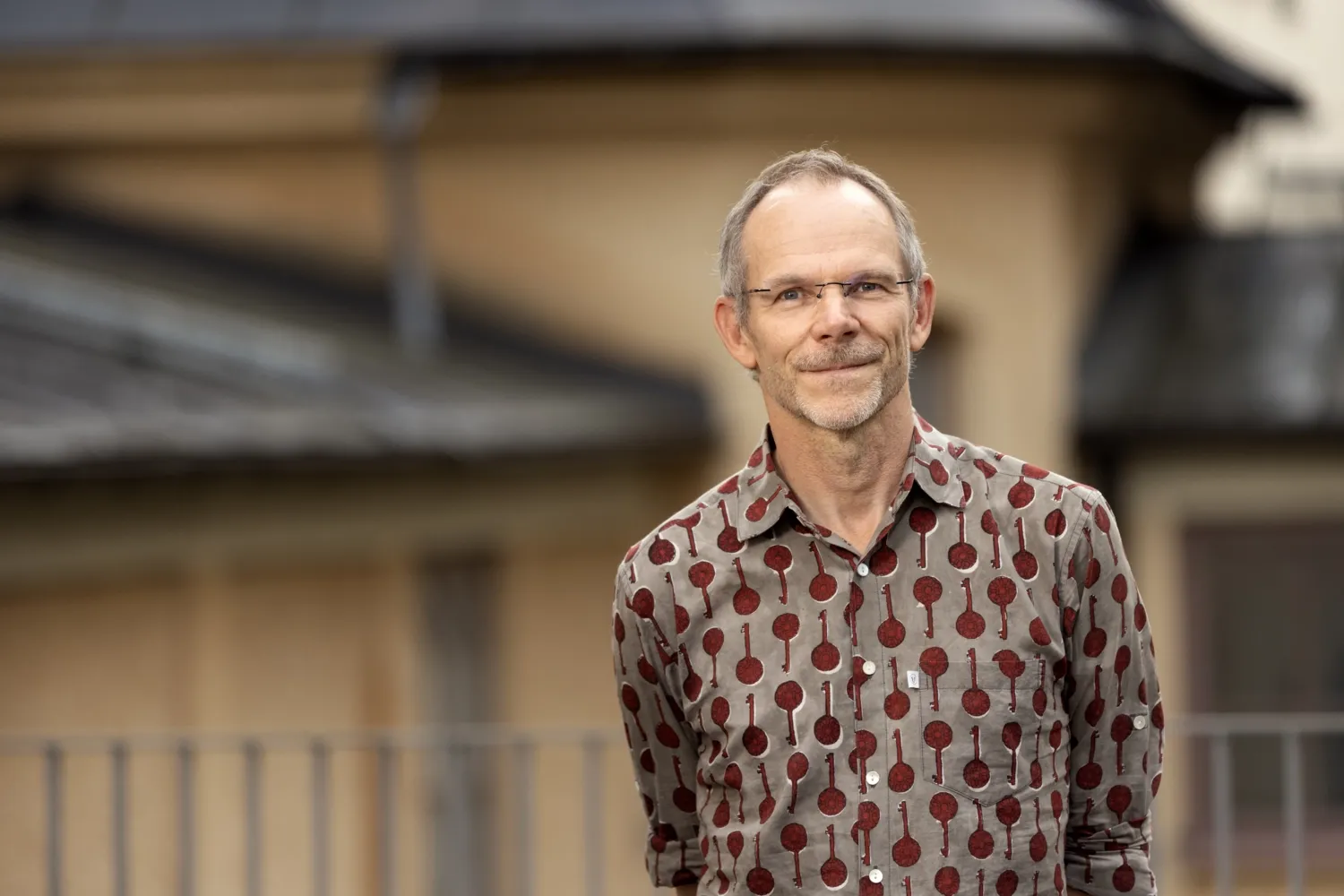 Photo: Rickard Kilström
Magnus Boman
Magnus Boman leads the AI@KI efforts to support KI researchers in all matters AI, since 2020. I work as an advisor on research methodology involving artificial intelligence and machine learning in Clinicum, providing methodological support for researchers at KI and Region Stockholm.
Professor in AI within Health at Karolinska Institutet, representing the Advances in Artficial Intelligence at Karolinska Instituet team.
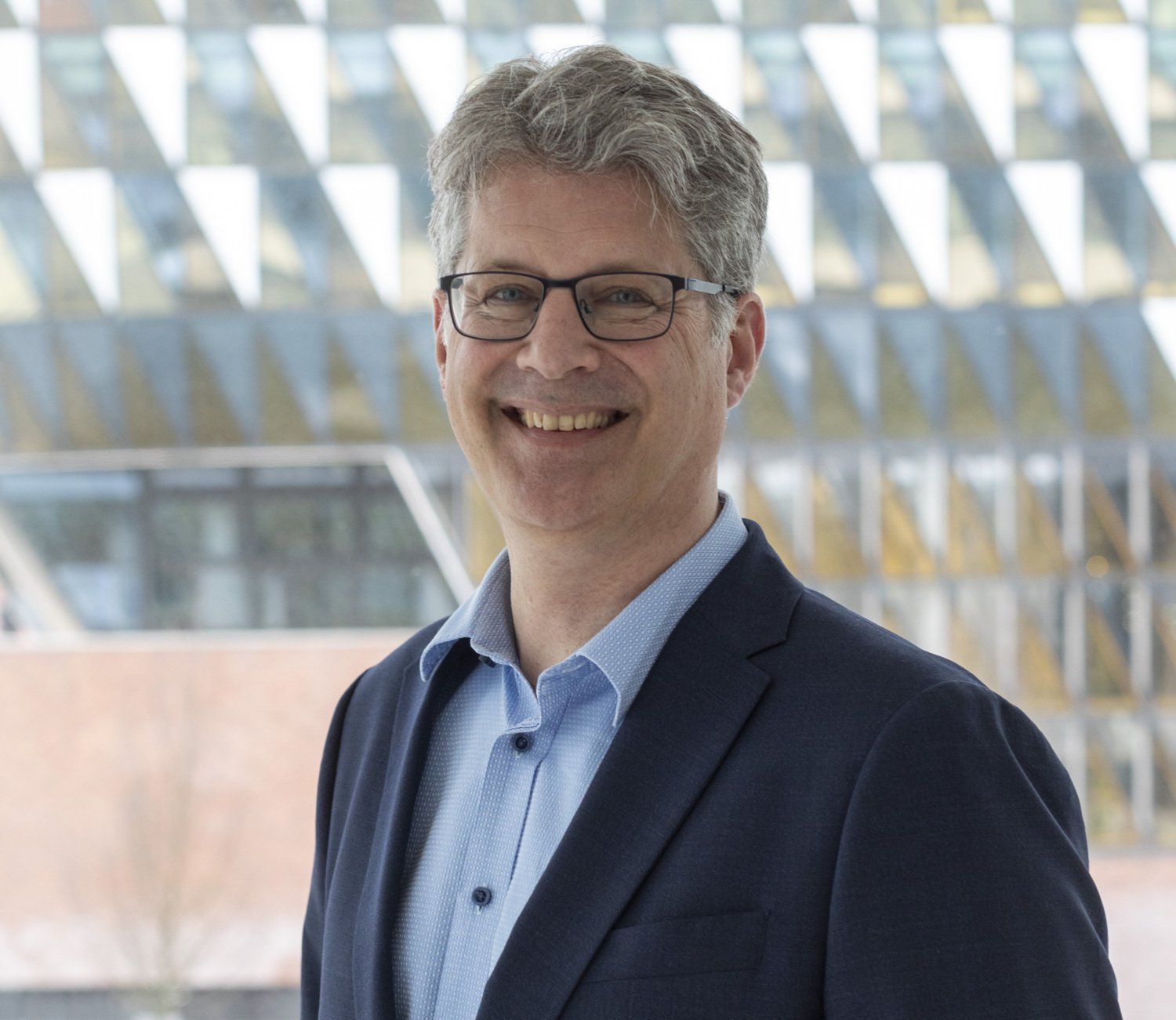 Photo: Johanna Furuhjelm
Daniel Lundqvist
Advances in Artificial Intelligence – introduction
Represents the Advances in Artificial Intelligence at KI initiative, Lead of TEF-Health Swedish node, Professor of Neuroimaging at Karolinska Instituet and Director of the Centre for Imaging Research