

Research focus
Survival and infectiousness of Mycobacterium tuberculosis after aerosolization
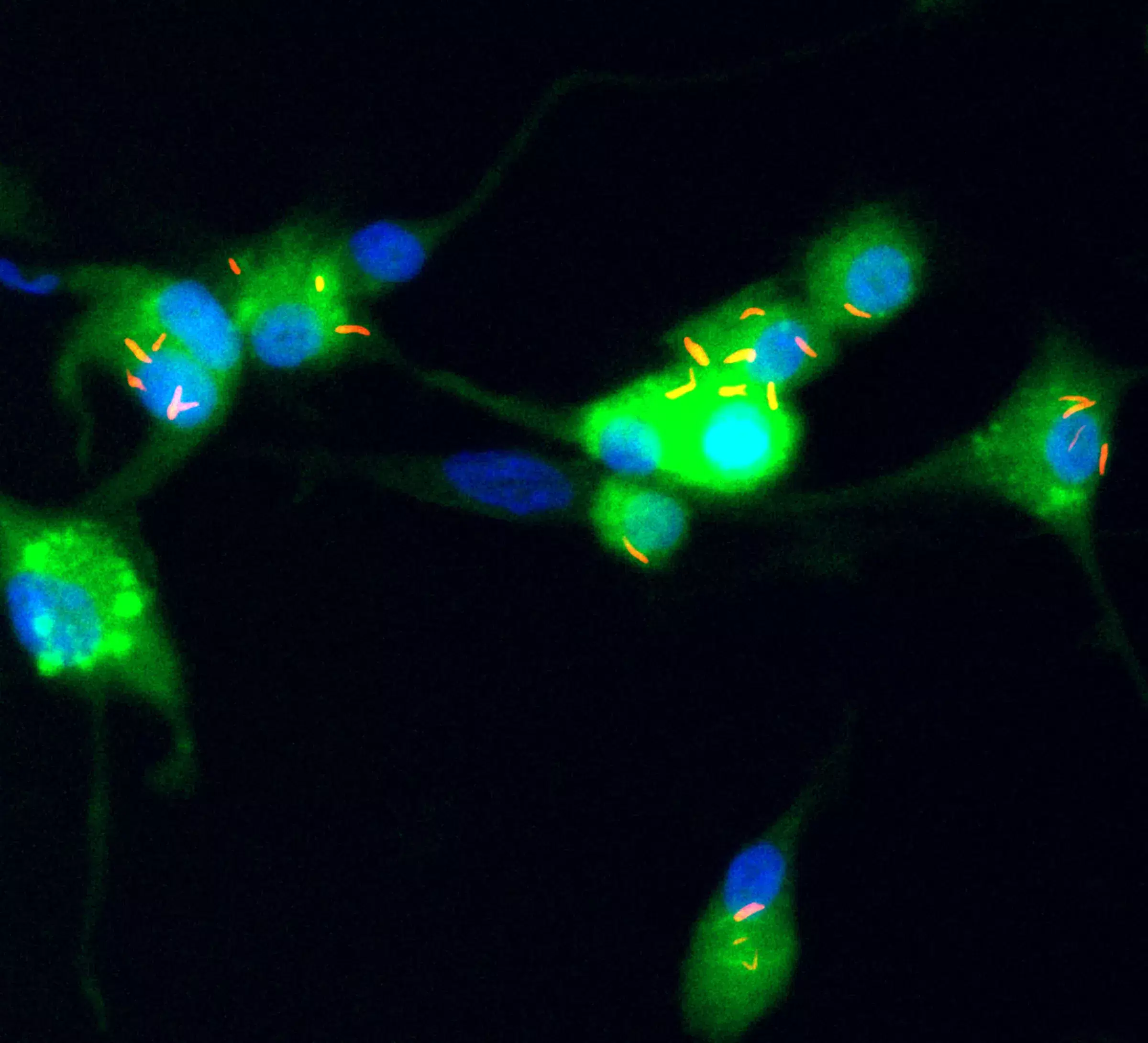
Tuberculosis (TB) is transmitted when aerosols carrying Mycobacterium tuberculosis bacteria are inhaled and infect macrophages in the deep airways. For transmission to succeed, the bacteria must cope with environmental stress and remain viable and infectious in open air long enough for it to be inhaled and colonize macrophages. It is proposed that the success of highly-transmissible community isolates of M. tuberculosis is linked in part to their ability to endure the stress of aerosol residency.
Using laboratory strains and community isolates with epidemiological record of transmission success, we are investigating if aerosol residency under specific environmental conditions causes bacteria to die, reducing in turn its ability to colonize macrophages. We are also investigating if aerosol residency triggers differential gene expression in the bacteria, and if successful community isolates perform better than laboratory strains in aerosol tests.
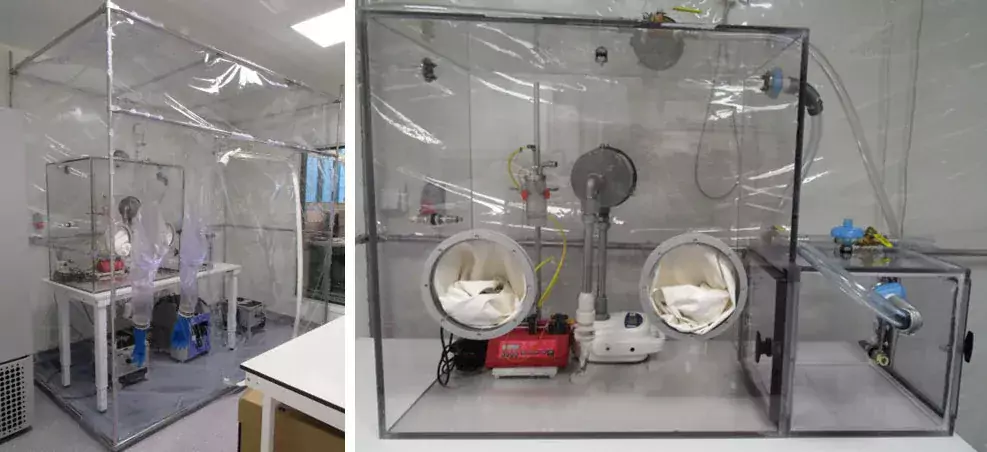
We have set up a specialized platform in BSL3 to address these important knowledge gaps in TB transmission. This platform and its trained personnel also support Swedish pandemic laboratory preparedness with capabilities to study the aerobiology of new and emerging pathogens.
Results from this research will inform on environmental conditions that mitigate transmission of airborne M. tuberculosis, explain if the epidemiological success of highly-transmissible isolates is linked to their aerosol endurance, and provide novel insights on mycobacteria-macrophages interactions.
Detection of M. tuberculosis in cough aerosols
Aerosols carrying M. tuberculosis are released during coughing by persons with active TB in the lungs. Detection of M. tuberculosis in aerosols can help break the chain of transmission by identifying infectious persons and community hotspots of transmission. Tools that are easy-to-use and scalable in low-income, high-burden countries are however lacking.
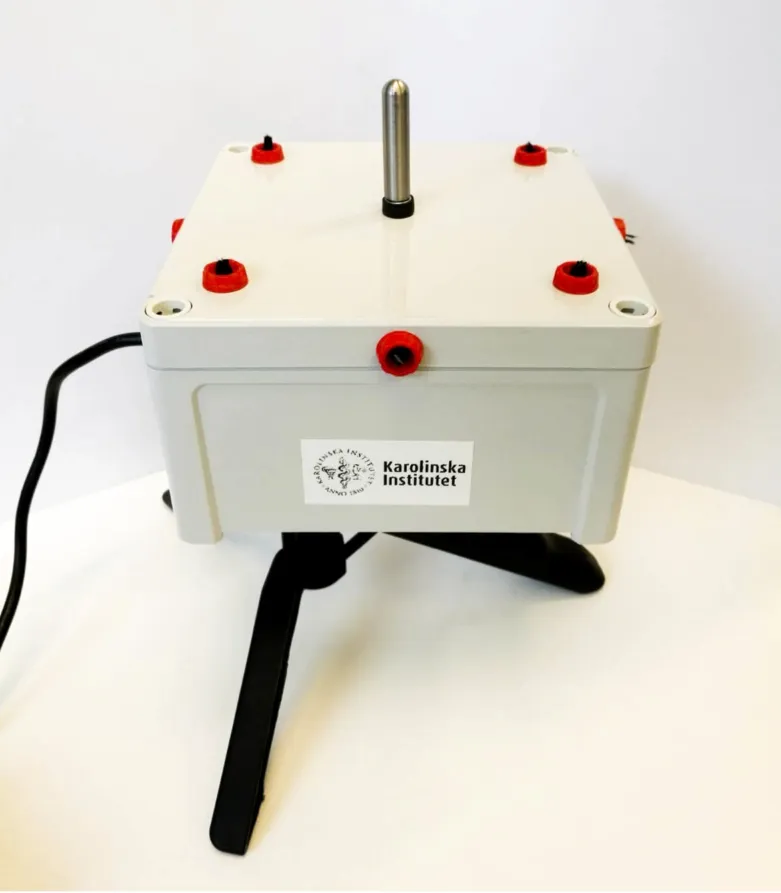
With this in mind we have developed a small, low-cost electrostatic air sampler that can be used together with nucleic acid amplification tests to detect M. tuberculosis in aerosols. With collaborators at Stellenbosch University, South Africa, we are investigating the performance of the device at collecting aerosolized M. tuberculosis from the cough of TB patients. We are also investigating detection on our sampler against validated readouts for TB infectioussness in patients.
Results from this research will inform on the detection of M. tuberculosis in cough as a novel diagnostic approach or as an estimate of transmission risk.
Our air sampler is also being used in the context of respiratory viruses. It has suceesfully been used to demonstrate infectious SARS-CoV-2 in cough and room air from hospitalized COVID-19 patients. We are currently investigating the use of our air sampler to detect an array of respiratory viruses in the indoor air of elderly homes in Sweden.
Support our research
 Photo: Chokniti Khongchum
Make a donation to our research at MTC
Your support means a lot to our success. This allows us to go further in our efforts to improve human health through research and education.
Read here how you can make a donation via Swish.